

This post contains affiliate links, and I may earn a commission if you click through and make a purchase, at no extra cost to you.
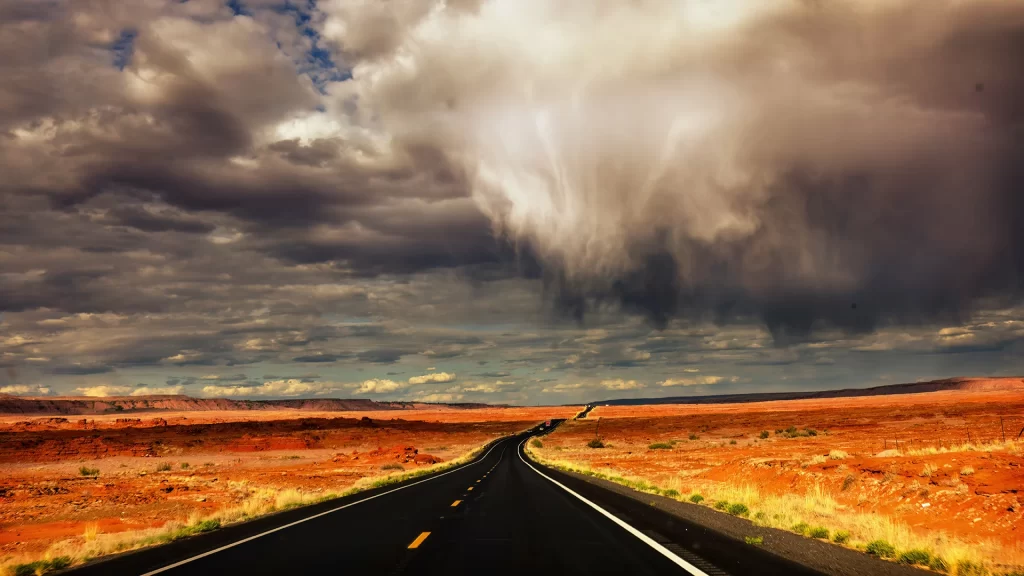
Artificial Intelligence is changing the photography world faster than most of us could have imagined. Sometimes it feels like we’re rolling down a lonesome highway, with giant storm clouds above us. We’re confused and alone and don’t know how this will all work out. With tools that can generate photo-realistic images in seconds, some photographers are asking the big question: Will AI replace us? How do I stay relevant as a photographer in the age of AI?
The short answer is: no—but only if we adapt.
As photographers, our art has always been tied to technology. Film gave way to digital. Darkrooms were replaced by Lightroom. Drones opened the skies. Each shift felt huge at the time, but photography didn’t disappear—it evolved. AI is just the next evolution. The key is figuring out where we fit into this new landscape.
Types Of Photography That Will Survive AI
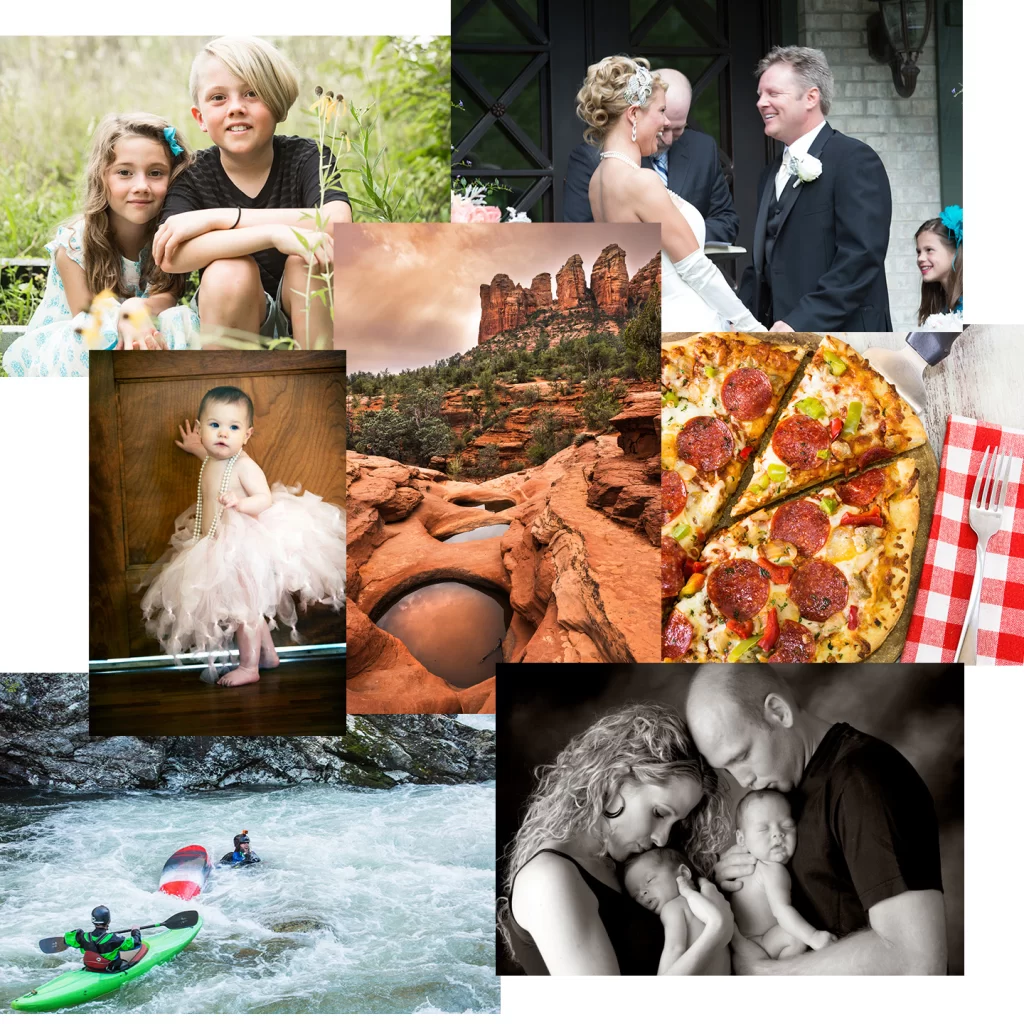
Not every genre of photography will be equally impacted. Some areas will remain firmly human-driven because they rely on connection, trust, or experiences that AI simply can’t replicate.
- Event & Wedding Photography
Couples won’t hire AI to “imagine” their wedding day. They want someone who can capture the real emotions, moments, and people in their lives. Human connection and trust make this irreplaceable. - Portraits & Personal Branding
People want to see themselves—their quirks, expressions, and authentic personality. While AI can create stock-like portraits, it can’t replicate your precious family all gathered together to make a timeless portrait. Your children will only be children for a short time, and there’s no way AI will ever replace a real camera for capturing those moments. - Commercial & Product Work for Businesses
Companies selling real products need real photos. AI might help with mock-ups, but when it comes to showcasing actual items, especially in regulated industries (like food or fashion), photography will stay strong. Think restaurants, who will need photos of the food that only they create, to use on their websites, social media, and even their menus. - Documentary & Photojournalism
Truth matters. Authentic storytelling—especially in journalism—will always depend on real, verifiable images. AI fakes may exist, but verified photographers will carry authority. News stories that are photographed as they are happening can never be replaced by AI. - Experiential Photography (Adventure, Travel, Landscape Workshops)
Here’s where landscape photographers like us come in. AI can generate stunning fake mountains, but it cannot give someone the experience of standing in front of a canyon at sunrise, learning how to use their camera, and feeling the cold morning air. Experiences will outlast AI. Landscape photographers will stay relevant by creating REALISTIC work that evokes emotion. Now more than ever, our photographs need to remind a potential buyer of a place and evoke an emotion in them that cannot be replicated by a computer that has no emotions.
The Landscape Photographer’s Challenge
Let’s be honest: AI is a direct competitor when it comes to selling “pretty pictures” of landscapes. Stock libraries and art buyers may find it easier to use AI-generated scenes that don’t require travel, permits, or waiting for perfect light. But those fake scenes will NEVER tell the story of a place like you or I could.
That doesn’t mean landscape photography is doomed. It just means we need to shift our focus from being image-makers to being experience creators and storytellers.
Here’s how landscape photographers can stay relevant:
1. Lean into Storytelling
Anyone can generate a mountain, but only you can tell the story of hiking 5 miles in the dark to capture that first light hitting the canyon wall. People connect to stories more than pixels. Share behind-the-scenes struggles, the environment, and the personal meaning behind your images.
2. Sell Experiences, Not Just Prints
Prints are still valuable, but workshops, tours, and educational content are the future. Travelers and hobbyists want to learn from real photographers in real locations—something AI can’t provide.
3. Emphasize Authenticity
In an AI-saturated world, authenticity will be a premium. Show proof of your work: behind-the-scenes shots, GPS coordinates, or timelapse videos of your setup. Buyers will value knowing your art is real.
4. Diversify Income Streams
Instead of only relying on selling prints, build multiple streams of income:
- Workshops & guided photo tours
- Online education (courses, YouTube, mentoring)
- Licensing to clients and stock sites who need authentic imagery
- Print-on-demand art with a personal story attached
5. Double Down on Niche Subjects
AI is great at generating “generic” landscapes, but it struggles with specificity. If you photograph unique or lesser-known places—and tie them to personal stories—you create something AI can’t fake with accuracy.
Final Thoughts
Don’t get me wrong – I LOVE and use AI tools in my photography all the time. I swear by phototag.ai to write my titles, keywords, and descriptions for all my stock, Fine Art America, and even my website photos (let’s face it – that’s the most tedious and boring (and confusing) part of getting your photography seen, so let AI do it for you!!)
AI isn’t here to destroy photography—it’s here to challenge us to evolve. The photographers who cling to the old model of just selling pretty pictures may struggle, but those who adapt, tell deeper stories, and create experiences will thrive.
As landscape photographers, our greatest strength isn’t the photo itself—it’s the journey, the connection to nature, and the authenticity of standing in a place AI can only imagine.
So instead of asking, “Will AI replace me?”—ask yourself:
“What can I create, share, or teach that AI never will?”
That’s where your future as a photographer lies.

Great post! AI can’t replace reality! Your work and caring soul shine through your photography! Thank you for sharing your talent with the world!