
A Week of Beginner Photography Assignments

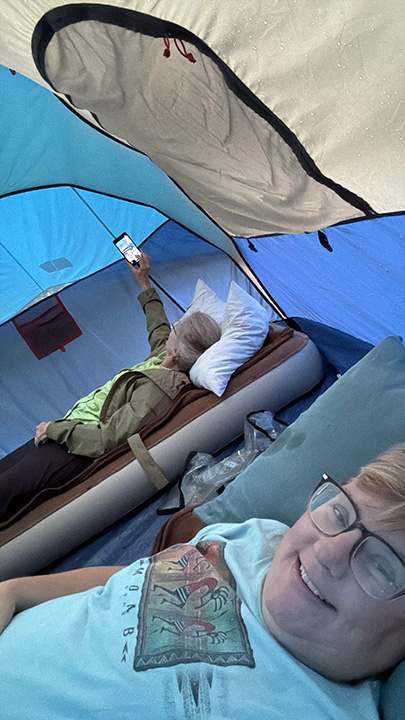
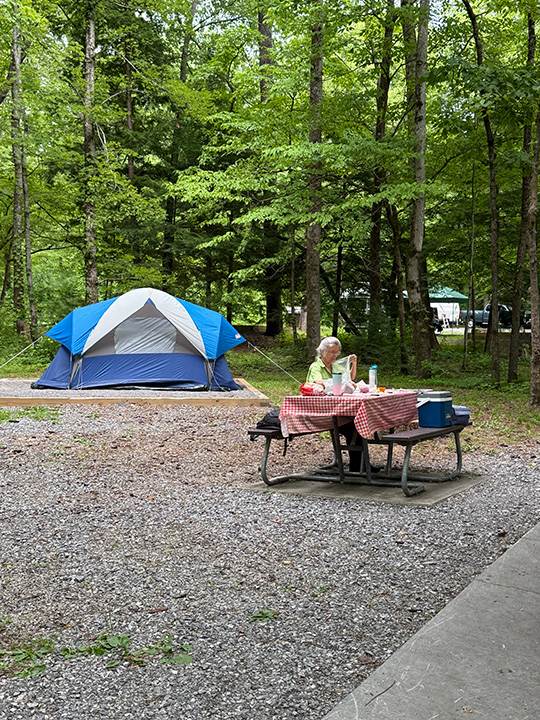
This week I found myself tent camping in Cades Cove Campground in Smoky Mountains National Park with my very dear photographer friend Dolora. Yep, two old ladies setting up and camping in a tent – what a sight! And wouldn’t ya know it – it rained ALL NIGHT LONG. And Dolora failed to inform me that her tent was 20 years old and was no longer waterproof! But that’s a story for another day – suffice it to say WE GOT SOAKED. But we toughed it out all night long in that tent!

See the water droplets coming down the walls? And on my pillow?

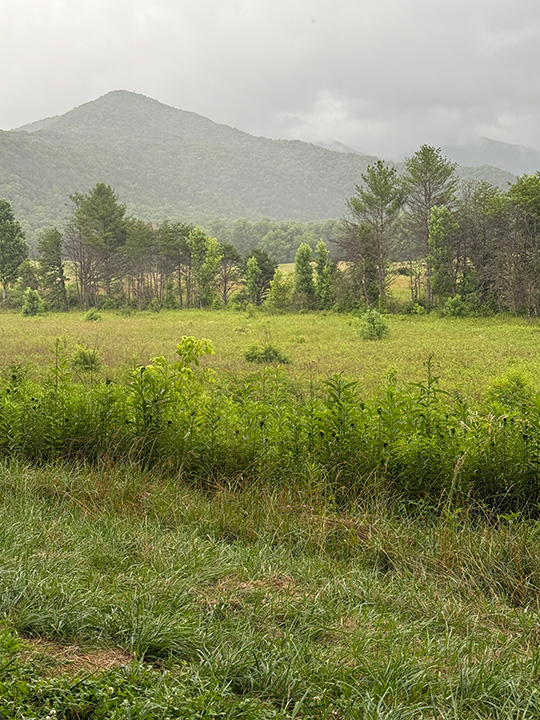
The Smoky Mountains were murky to say the least!

The purpose of our camping trip was to be able to go around the Cades Cove Loop Road over and over and over again, looking for bears and other wildlife. And then once it got dark, we were going to go photograph star trails and The Milky Way. Guess what? – when it’s pouring rain there are no stars to trail! There is no Milky Way! And all the animals go hide in the deep forest where they might stay dry! We had a lot of laughs, but not a lot of photographs! (I’m a poet and I don’t even know it LOL).

One of the biggest struggles new photographers face isn’t camera settings. It’s not aperture, shutter speed, or ISO. It’s not even figuring out what all those mysterious buttons on the camera do. The biggest struggle is often much simpler:

“I don’t know what to photograph.” Yup, been there done that recently!! VERY recently!!

I’ve heard it hundreds of times over the years. A new photographer buys a camera, watches a few YouTube videos, learns a little about the exposure triangle, and then sits staring out the window wondering what to do next. The camera ends up back in the bag. A week later, they feel guilty because they spent good money on something they’re not using.

Sound familiar?

Here’s the good news: becoming a better photographer doesn’t require exotic locations, expensive trips, or dramatic sunsets. Or even rainy nights spent in a leaky tent. What you need is practice. Not random practice. Intentional practice.

So I put together a simple week of beginner photography assignments. These are designed to help you learn to see photographs everywhere around you. No travel required. No special equipment required. No pressure to create masterpieces. Just seven days of learning.

Day 1: Find Three Different Colors

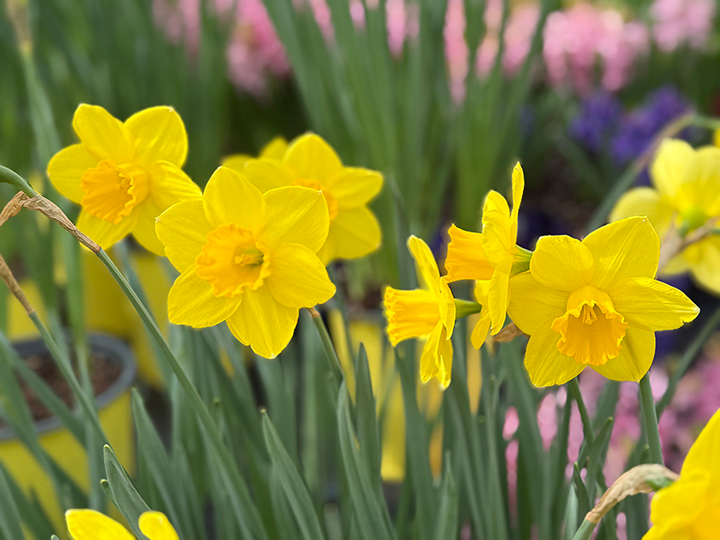
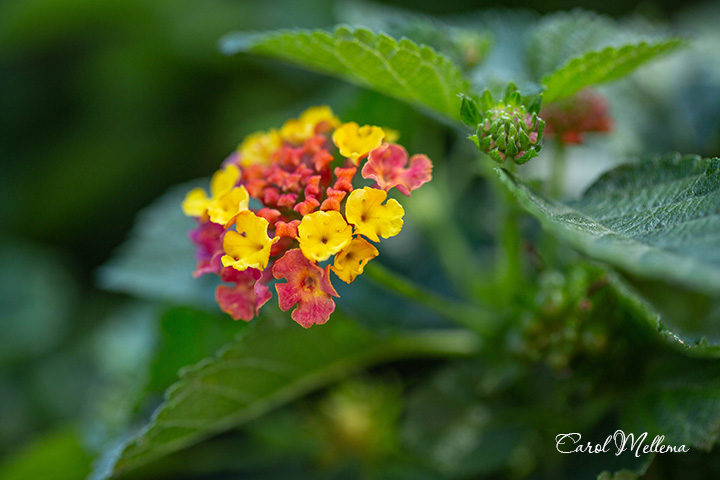
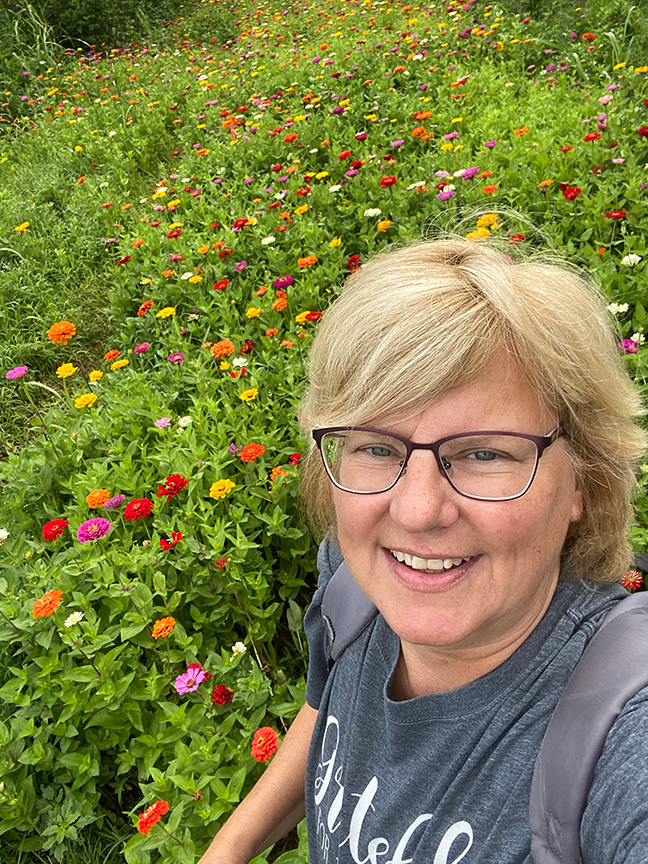
Today’s assignment is simple. Pick three colors and photograph them. Maybe it’s a red flower, a blue coffee mug, and a yellow raincoat hanging in the closet. The goal isn’t to create award-winning images. The goal is to train your eye to notice color.

One thing you’ll discover as a photographer is that ordinary objects become much more interesting when you start paying attention to light, shape, and color. The camera is teaching you to see.

Day 2: Photograph Something You Use Every Day

Choose an everyday object. Your favorite coffee cup. Your reading glasses. A gardening tool. The leash hanging by the door. Now photograph it as if you were creating an advertisement for it.

Move around it. Try different angles. Get close. Get lower. Get higher. Most beginners take one photo and move on. Good photographers explore.

Day 3: Look for Light

Today, ignore the subject. Instead, look for light.

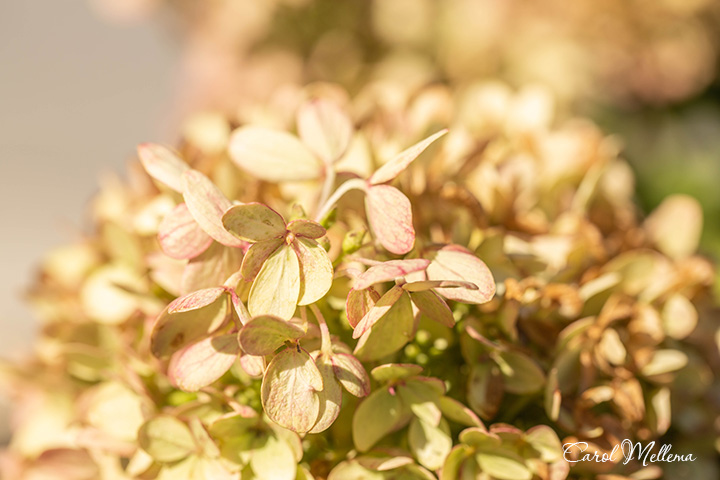
Find sunlight streaming through a window. Watch how evening light falls across your kitchen table. Notice shadows on a wall.

Photographers aren’t really photographing objects. We’re photographing light. The sooner you understand that, the faster your photography will improve.

Day 4: Get Close

Really close.

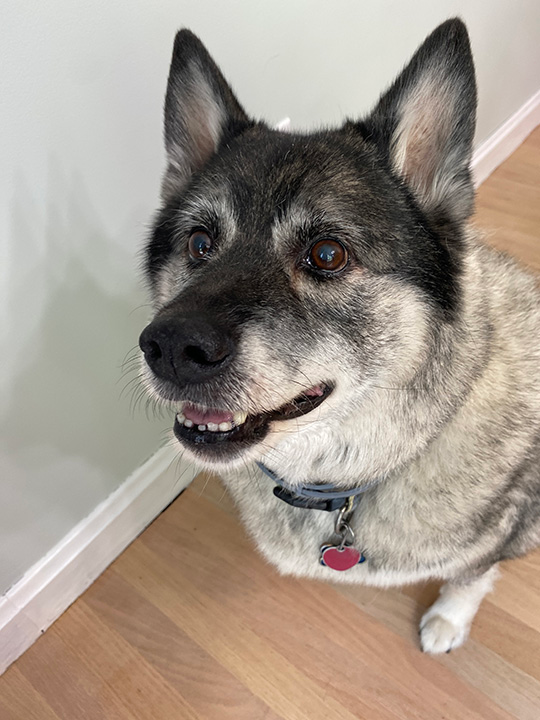
Most beginners stand too far away from everything. Today, fill the frame. Photograph the texture of tree bark, the petals of a flower, the details on a leaf, or the whiskers on your dog.

You don’t always need a grand landscape to make an interesting photograph. Sometimes the details tell the story.

Day 5: Photograph Something That Makes You Smile

This is my favorite assignment.

Forget the rules for a day. Photograph something that genuinely makes you happy. Maybe it’s your husband working in the garage. Your grandchild playing outside. A sleeping dog. A favorite chair where you drink coffee every morning.

Photography isn’t just about making pretty pictures. It’s about preserving pieces of your life. Years from now, these photographs may matter more than you realize.

Day 6: Tell a Story with Three Photos

Choose a simple activity and photograph it in three steps. Making coffee. Watering flowers. Walking the dog. Baking cookies.

Take a beginning photo, a middle photo, and an ending photo.

Congratulations. You’re now learning visual storytelling. This is one of the skills that separates snapshots from photographs that connect emotionally.

Day 7: Photograph the Same Subject Five Different Ways

Pick one subject. Just one.

Now create five completely different photographs of it. Change your angle. Change your distance. Change your composition. Change your perspective.

You’ll quickly discover that photography is less about the subject and more about how you choose to see it.

The Real Goal

At the end of this week, don’t worry about whether your photographs are good. Seriously. Don’t judge them. Don’t compare them to photographers who have been shooting for twenty years.

The goal isn’t perfection. The goal is practice. The goal is building the habit of picking up your camera. The goal is training your eyes to notice things you’ve walked past a thousand times.

Every photographer starts exactly where you are right now—confused, uncertain, and wondering if they’re doing it right. The photographers who improve aren’t necessarily the most talented. They’re simply the ones who keep showing up.

So grab your camera tomorrow. Start with Day 1.

And remember: the best photograph you’ll ever take is often the one that convinces you to keep going.

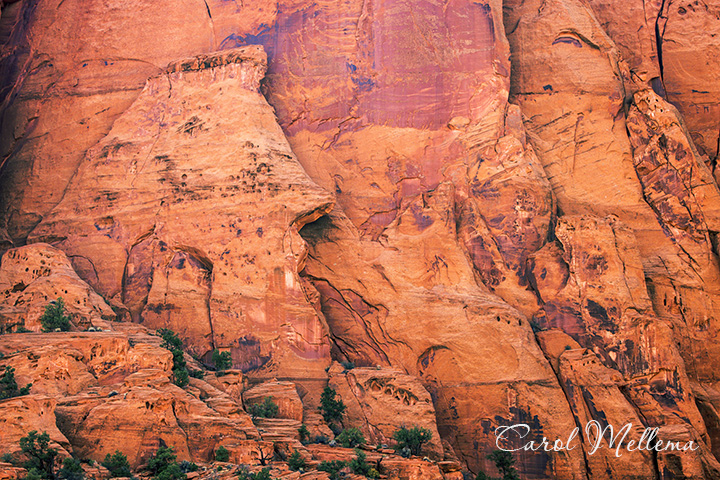
This image was taken on a cloudy day in Capitol Reef National Park in Utah when I was there with my photographer friend Teri. It was a cloudy day so no great sunrise was to be found, so we made an assignment for ourselves to ONLY use our zoom lenses that day. This is a close-up of the side of the mountain. Do you see the face in the rock toward the left side?

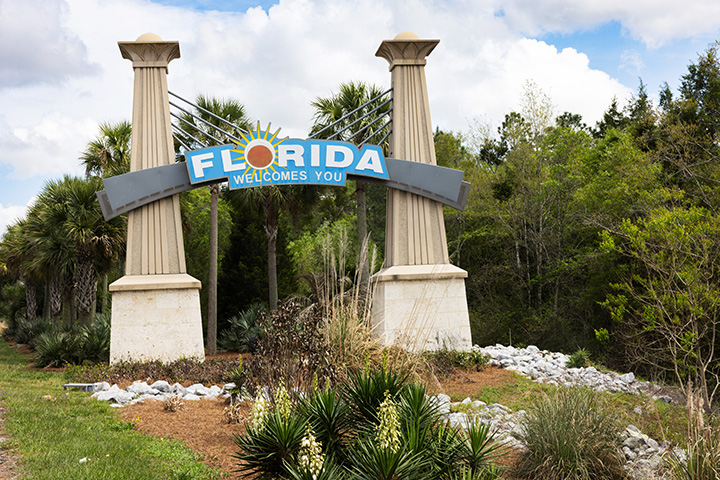
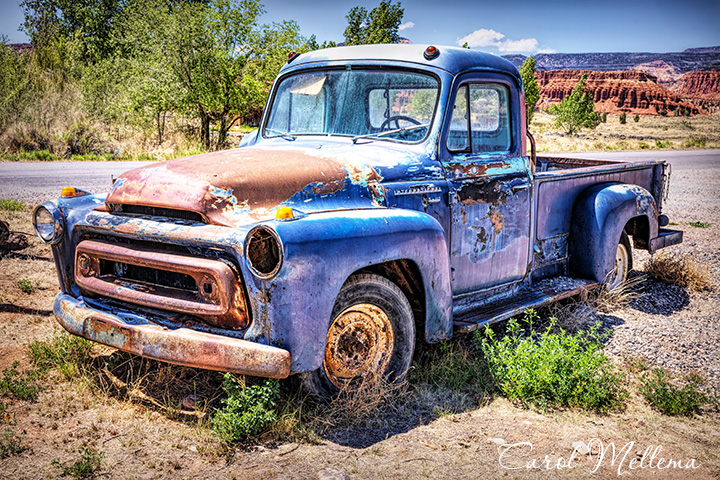
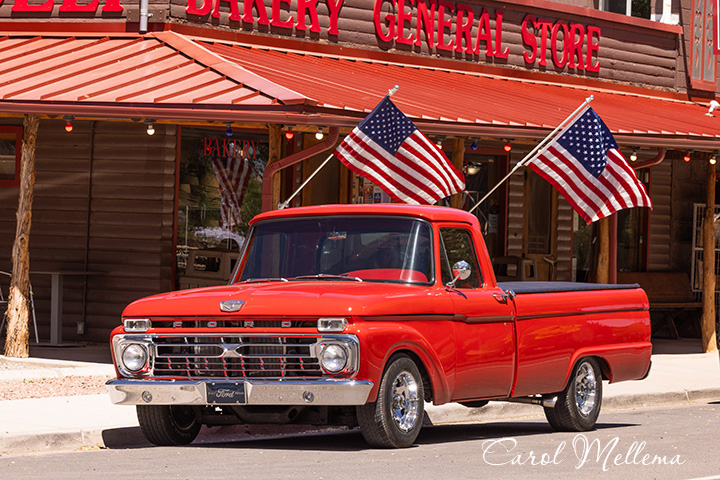
From the same Utah trip, but another day. Teri and I were in the cute town of Torrey, Utah, so we gave ourselves
an assignment to only photograph “Americana” type photos that day. This was one of mine.

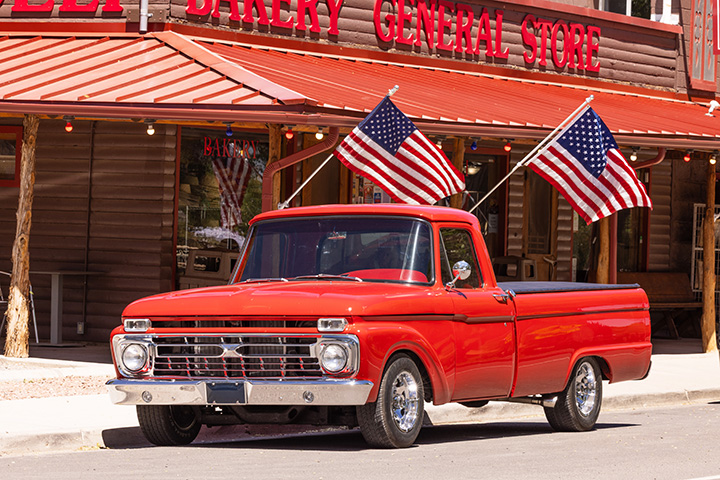
Another image from our “Americana” day. An old red pickup truck, American flags billowing in the breeze,
and the small town General Store in the background. It doesn’t get any more “Americana” than that!

The moral of the story is this: Give yourself assignments! It’s a great way to learn your camera, learn to see compositions and learn to see light.

If you’re confused on where to start and how to use your camera, and what is an f-stop? And what is this aperture thing anyways? I’ve got you covered! I’ve written a handy little e-book all about learning to use your camera. And it comes with a FREE Exposure Triangle Cheat Sheet that you can print out and refer to while you’re out doing your assignments from this blog post!

So go HERE and grab your Photographer’s Cheat Sheet!

HAPPY SHOOTING MY FRIENDS!!!

The Photograph I Almost Didn’t Take

There are photographs that sell. There are photographs that win awards. There are photographs that get likes and shares and all the little bits of validation photographers secretly pretend they don’t care about.

And then there are photographs that become part of your story.

This is one of those.

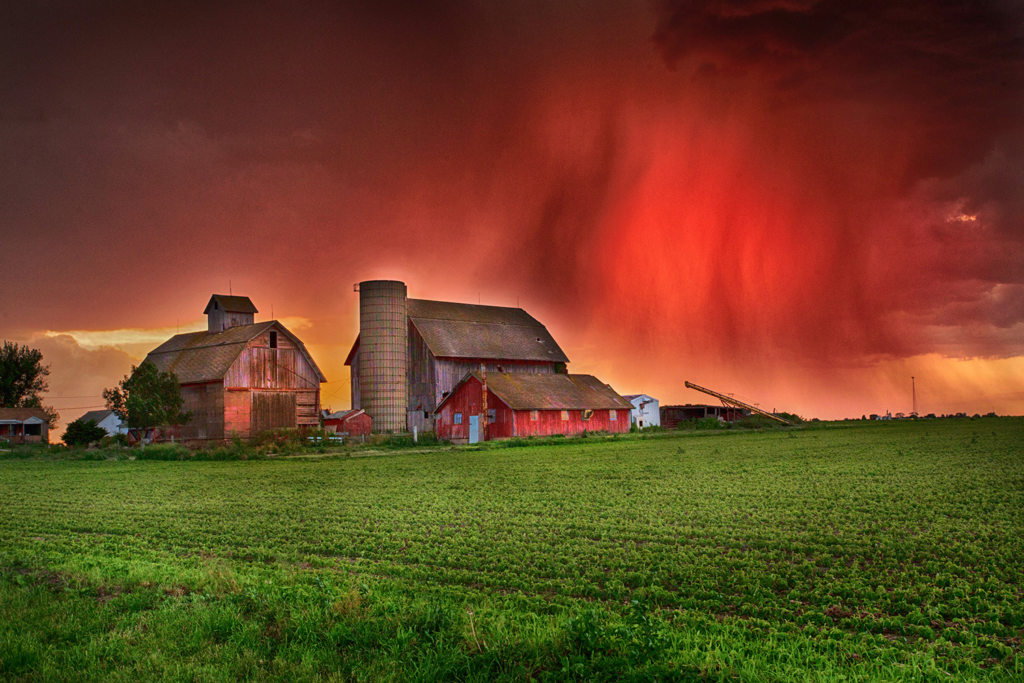
About thirteen years ago, I was living in Yorkville, Illinois. If you’ve never been there, imagine plenty of farmland, open skies, and enough back road, red barns and wildflowers to keep a photographer entertained for years. It was the kind of place where you could leave the house without a destination and still come home with something worth photographing.

On this particular day, my heart was telling me exactly what it always tells me.

“Go take pictures.”

My head, however, had other ideas.

“Nope. Stay home. Storms are coming. And you’re tired and feeling lazy.”

Now, if there’s one thing I’ve learned after decades of carrying a camera around, it’s that my heart and my head rarely agree on photography. My head likes comfort, dry clothes, and common sense. My heart sees dramatic clouds and starts acting like a Labrador who just heard someone say the word “walk.”

The weather forecast wasn’t exactly encouraging. Dark clouds were building, the air felt heavy, and it was obvious a thunderstorm was rolling in. A sensible person would have stayed home. A nap sounded like a great idea.

So, I grabbed my camera.

As I wandered through the countryside, I spotted this beautiful old red barn sitting out in the middle of a field. It was charming, weathered, and perfectly rural. The kind of barn that makes photographers immediately start calculating compositions before they’ve even stopped the car.

Then I looked behind it.

A massive thunderstorm was charging straight toward the farm.

Not drifting.

Not approaching slowly.

Charging.

The sky had turned an angry shade of orange-red, and curtains of rain were pouring from the clouds like something out of a disaster movie. The entire scene looked dramatic, wild, and just a little bit terrifying.

Naturally, I pulled over.

Because apparently self-preservation has never been my strongest photographic skill.

The moment I stepped out of the car, I discovered I wasn’t alone. Millions of gnats had apparently scheduled a convention in that exact location. They swarmed my face, flew into my eyes, bounced off my camera, and generally made it clear that I was not welcome. I was swatting bugs with one hand and shooting photos with the other while trying not to inhale an entire insect colony.

It was ridiculous.

It was uncomfortable.

And it was absolutely worth it.

I snapped frame after frame as the storm moved closer. The light kept changing. The sky grew darker. The rain intensified. Every few seconds the scene looked different than it had moments before.

Then it was over.

The storm arrived.

I retreated.

The gnats probably celebrated.

Years later, out of thousands upon thousands of photographs I’ve taken, this image still stands out in my mind. Not because it’s technically perfect. Not because it’s my most famous photograph. Not because it made me rich (I wish!).

It stands out because I almost didn’t take it.

If I had listened to the practical voice in my head, I would have stayed home and napped. I would have missed the drama, the adventure, the ridiculous gnat attack, and this image that still makes me proud every time I see it.

Photography has taught me this lesson over and over again: some of the best photographs happen just beyond the point where it’s easier to stay home.

Just beyond the forecast.

Just beyond the inconvenience.

Just beyond the little voice that says, “Maybe tomorrow.”

Sometimes the difference between an ordinary day and a memorable photograph is simply deciding to go anyway. In fact, that’s a motto I have with another photographer friend of mine: “You don’t know until you go”. So true!!

And honestly, that’s one of the reasons I created my beginner photography guide. New photographers often think great photography is about owning better gear or memorizing complicated settings. Those things help, of course, but they’re only part of the story.

The bigger challenge is building enough confidence with your camera that when the moment appears—a sunrise, a storm, a fleeting beam of light—you know what to do without panicking over settings.

My Camera Settings Explained guide was created to help beginners get comfortable with aperture, shutter speed, and ISO so they can spend less time guessing and more time saying yes to the photographs that are calling them.

Because sometimes the photograph you’ll remember forever is the one you almost didn’t take.

Click HERE to take a look at my Camera Settings Explained guide on Etsy.

The Photograph Was Never The Point

When I first picked up a camera back in high school (a long time ago LOL), I thought photography was all about learning the equipment. If I could just figure out the buttons, buy the right lens, and learn a few tricks, I’d be taking magazine-worthy photographs in no time. Looking back, I laugh at that version of myself because I had no idea what photography would eventually become in my life.

At the time, I was simply trying to take better pictures. I wasn’t thinking about the fact that photography would carry me through some of the most wonderful moments of my life and some of the hardest ones too. I certainly wasn’t thinking that one day I’d be traveling the country full-time in an RV with my husband, chasing sunrises and sunsets while always keeping a camera close by. Or that I would actually be making a living out of photography.

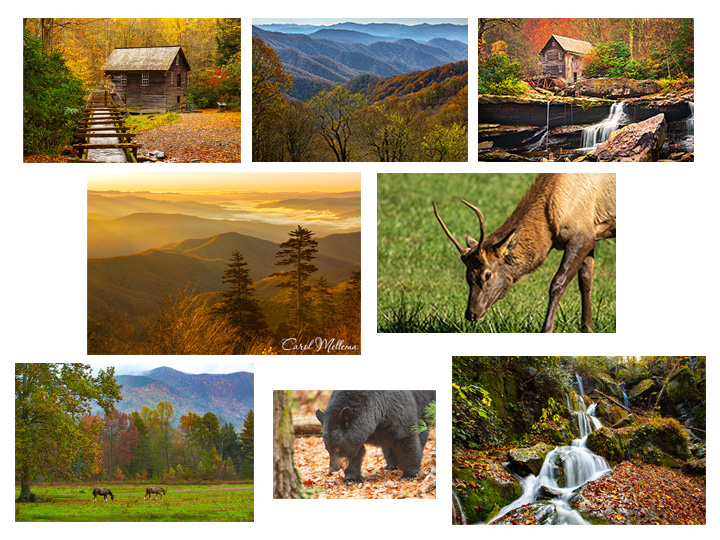
Over the years, photography became much more than a hobby. It became part of who I am. I’ve photographed the mist rolling through Cades Cove before dawn, stood on quiet beaches waiting for the first hint of color to appear in the sky, and spent countless mornings watching the world wake up through the viewfinder of a camera in some pretty obscure places. Some of my favorite memories aren’t even the photographs themselves. They’re the moments before the photograph, when everything is still, quiet, and full of possibility. You haven’t lived until you’ve stood on top of a freezing cold mountain and listened to absolutely NOTHING while watching the sun poke up behind the faraway hills.

Of course, not every photograph was a masterpiece. Far from it. For every image I’m proud of, there are hundreds that never should have seen the light of day. I’ve driven hours to a location only to discover the weather had other plans. I’ve come home convinced I captured something incredible, only to load the images onto my computer and wonder if I was looking at the same scene. If you’ve ever done that, welcome to photography. We all have.

The truth is that photography has taught me far more than camera settings. It has taught me patience, because nature doesn’t care about my schedule. It has taught me persistence, because sometimes the best light lasts for only a few seconds. Most of all, it has taught me to pay attention. In a world where everyone seems to be rushing to the next thing, photography forces me to slow down and really see what’s in front of me. This is peace – the most important thing that photography has taught me.

A few years ago, life reminded me just how precious that ability to slow down really is. I became critically ill with sepsis and eventually underwent open-heart surgery. Today I have a pig valve in my heart and a deep appreciation for ordinary days that I didn’t always have before. Something in you shifts when your doctor says to you, “You shouldn’t even be here anymore”. Recovery wasn’t easy, and there were moments when life looked very different than I had planned. During that time, photography became one of the things that helped me find my footing again. Carrying a camera gave me a reason to get outside, to notice beauty, and to focus on something other than doctors, medications, and hospital visits. I even had my husband bring me my camera so I could take photos of the flowers all around the outside entrance to the hospital. It was awesome therapy while I waited for the scariest moment of my life – the day of my open-heart surgery.

Maybe that’s why photography means so much to me now. It’s not about having the perfect camera or creating the perfect image. It’s about preserving moments that matter. It’s about remembering where we’ve been, who we’ve loved, and the incredible places we’ve been fortunate enough to see. It’s about standing on a mountain overlook, watching the sun rise over the Smokies, and feeling grateful that I’m there to see it.

These days I’ve even started photographing birds. I never saw that coming. Somewhere along the line I’ve apparently become one of those old ladies who gets excited when a new bird lands nearby. I used to laugh at bird photographers. Now I’m one of them. Life has a sense of humor that way.

When people ask me why I still love photography after all these years, the answer is simple. Photography helps me stay curious. It reminds me to pay attention. It encourages me to see beauty in places I might otherwise overlook. Most importantly, it helps me remember that every day, every person, every place, and every moment is worth noticing. And worth being grateful for.

And after everything life has thrown my way, I don’t think that’s a bad lesson at all.

If you would like to see more of my photographs, visit my gallery website at www.carolcapturesart.com.
If you would like to learn some Camera Basics from a REAL working photographer, purchase my Camera Settings Explained e-book HERE on Etsy.

I’m So Excited To Be Here!!

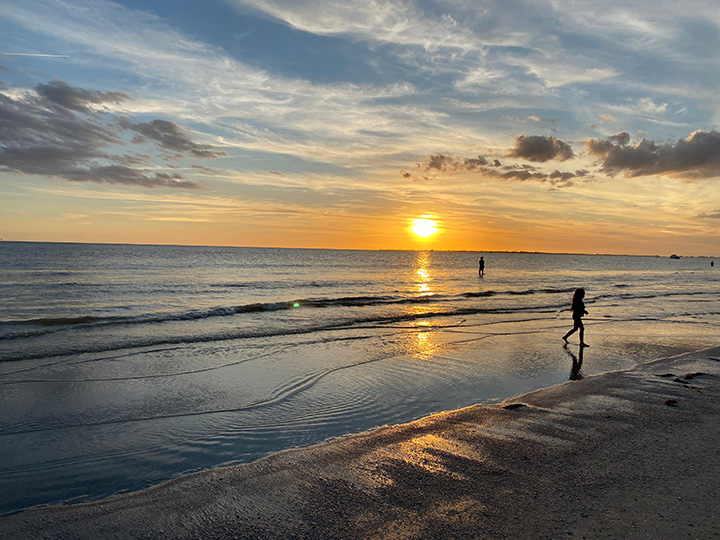
From sea to shining sea, and from the desert to the beach – it’s been a whirlwind of a year for this traveling gal!! Our RV travels have brought us from the mountains of Arizona and Utah to the beaches of Alabama and Florida, and from the forests of Wisconsin to the mountains of Tennessee. We even spent a couple of months seeing the Big 5 National Parks of Utah (oh the sights!!) Along the way, there has been a lot of adventure, and some heartbreak too, as we lost our beloved Riley dog at 15 years old in January while in Gulf Shores, Alabama. And soon I will be a Fort Myers Beach photographer! Yayyyy!

Fort Myers Beach Photographer

As of tomorrow, our new address will be in Fort Myers Beach, Florida! We’ll spend the winter on Fort Myers’ warm sunny sands, soaking it all up while thumbing our noses at our friends and family up north (sorry guys! Not!) While we are there, we will be looking to make this paradise our permanent residence. We have a campsite for 7 months, and during that time (hopefully) we will be able to find our perfect permanent home in the area.

Some of our favorite places to go in the area that I’m REALLY looking forward to visiting again include Yucatan Beach Stand Bar & Grill (the swings at the bar are a blast!!, Cabos Cantina in downtown Fort Myers (the Mango Salsa is so fresh and delicious!), The Edison & Ford Winter Estates (just totally cool!), as well as the nearby Butterfly Estates (which is now sadly, closed permanently).

I also have some really interesting and exciting thoughts running through my ADHD brain that will allow me to do what I love most – serving my clients through photography – while also being able to make an income in the area. I have some really fun ideas in mind, that I can’t wait to start implementing! But, one thing at a time – first I have to get there!! Tomorrow – yayyyyyyyyy!!!

We really love the whole Fort Myers area, and cannot wait to become residents of this beautiful town!! I cannot wait to photograph the beach, and the town, and the birds, and the flowers, and the people, and the food (oh the food!) – well you get it – EVERYTHING! And I cannot wait to share my talents and knowledge with all the great folks who are lucky enough to call this place home. Stay tuned for some REALLY exciting new things from Carol Mellema Photography!!

How to Stay Relevant as a Photographer in the Age of AI

This post contains affiliate links, and I may earn a commission if you click through and make a purchase, at no extra cost to you.

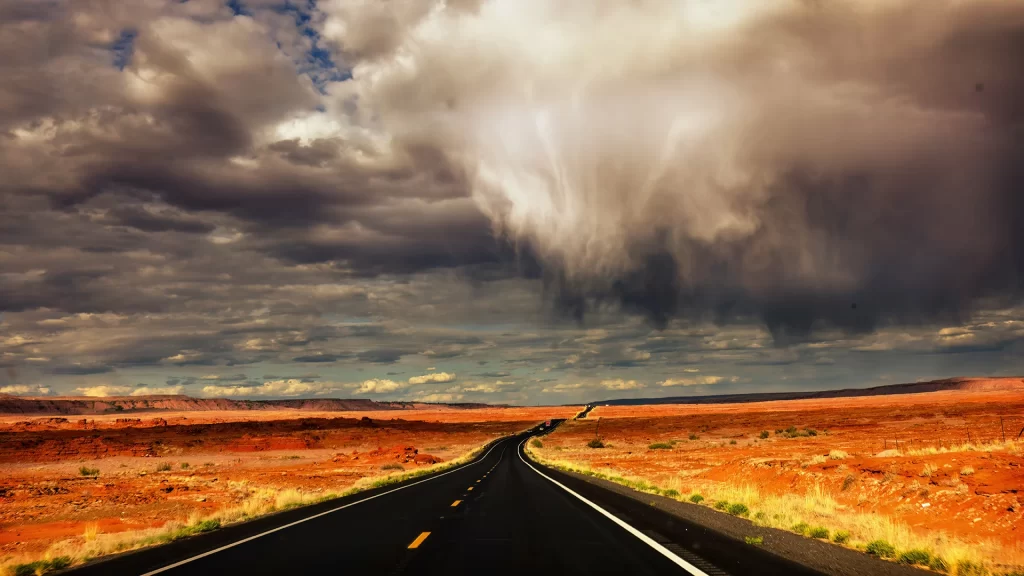
Storm clouds over a highway in the wild west

Artificial Intelligence is changing the photography world faster than most of us could have imagined. Sometimes it feels like we’re rolling down a lonesome highway, with giant storm clouds above us. We’re confused and alone and don’t know how this will all work out. With tools that can generate photo-realistic images in seconds, some photographers are asking the big question: Will AI replace us? How do I stay relevant as a photographer in the age of AI?

The short answer is: no—but only if we adapt.

As photographers, our art has always been tied to technology. Film gave way to digital. Darkrooms were replaced by Lightroom. Drones opened the skies. Each shift felt huge at the time, but photography didn’t disappear—it evolved. AI is just the next evolution. The key is figuring out where we fit into this new landscape.

Types Of Photography That Will Survive AI

Not every genre of photography will be equally impacted. Some areas will remain firmly human-driven because they rely on connection, trust, or experiences that AI simply can’t replicate.

  1. Event & Wedding Photography
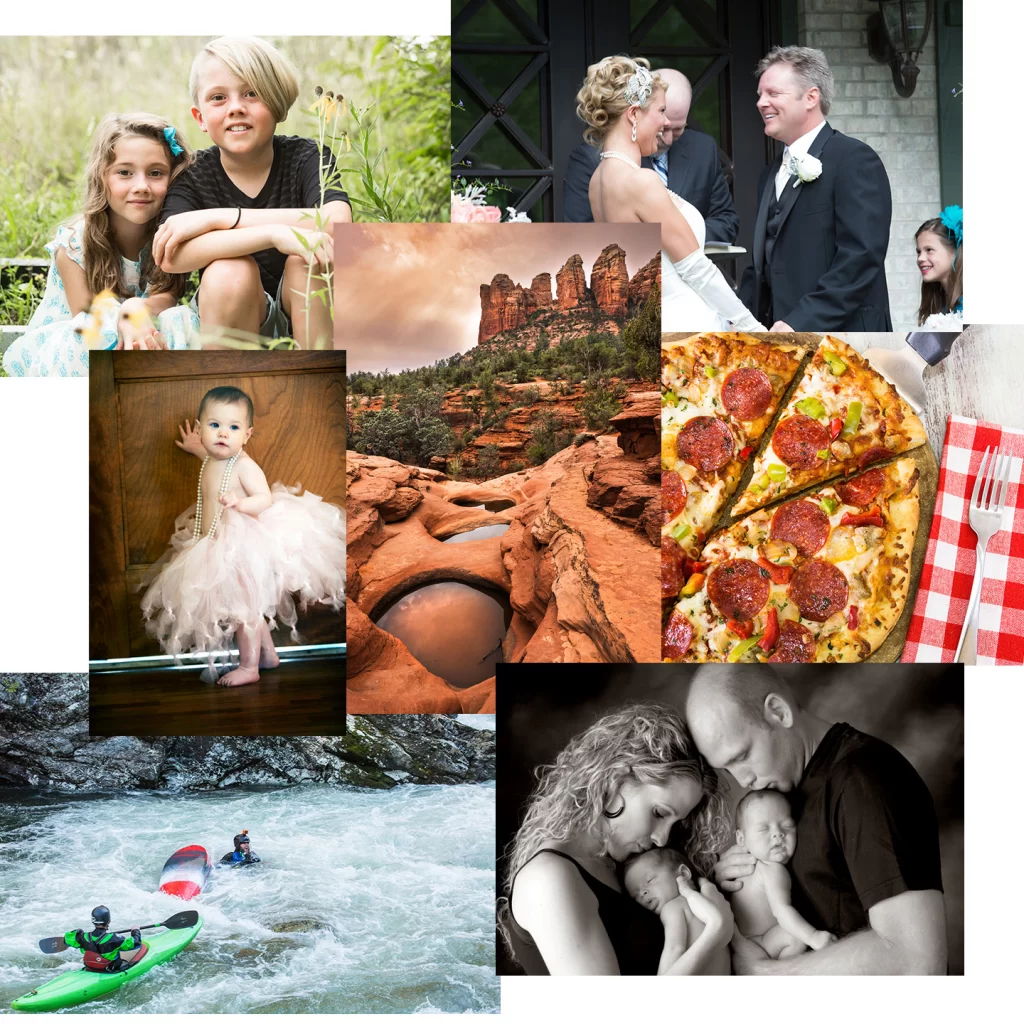
    Couples won’t hire AI to “imagine” their wedding day. They want someone who can capture the real emotions, moments, and people in their lives. Human connection and trust make this irreplaceable.
  2. Portraits & Personal Branding
    People want to see themselves—their quirks, expressions, and authentic personality. While AI can create stock-like portraits, it can’t replicate your precious family all gathered together to make a timeless portrait. Your children will only be children for a short time, and there’s no way AI will ever replace a real camera for capturing those moments.
  3. Commercial & Product Work for Businesses
    Companies selling real products need real photos. AI might help with mock-ups, but when it comes to showcasing actual items, especially in regulated industries (like food or fashion), photography will stay strong. Think restaurants, who will need photos of the food that only they create, to use on their websites, social media, and even their menus.
  4. Documentary & Photojournalism
    Truth matters. Authentic storytelling—especially in journalism—will always depend on real, verifiable images. AI fakes may exist, but verified photographers will carry authority. News stories that are photographed as they are happening can never be replaced by AI.
  5. Experiential Photography (Adventure, Travel, Landscape Workshops)
    Here’s where landscape photographers like us come in. AI can generate stunning fake mountains, but it cannot give someone the experience of standing in front of a canyon at sunrise, learning how to use their camera, and feeling the cold morning air. Experiences will outlast AI. Landscape photographers will stay relevant by creating REALISTIC work that evokes emotion. Now more than ever, our photographs need to remind a potential buyer of a place and evoke an emotion in them that cannot be replicated by a computer that has no emotions.

The Landscape Photographer’s Challenge

Let’s be honest: AI is a direct competitor when it comes to selling “pretty pictures” of landscapes. Stock libraries and art buyers may find it easier to use AI-generated scenes that don’t require travel, permits, or waiting for perfect light. But those fake scenes will NEVER tell the story of a place like you or I could.

That doesn’t mean landscape photography is doomed. It just means we need to shift our focus from being image-makers to being experience creators and storytellers.

Here’s how landscape photographers can stay relevant:

1. Lean into Storytelling

Anyone can generate a mountain, but only you can tell the story of hiking 5 miles in the dark to capture that first light hitting the canyon wall. People connect to stories more than pixels. Share behind-the-scenes struggles, the environment, and the personal meaning behind your images.

2. Sell Experiences, Not Just Prints

Prints are still valuable, but workshops, tours, and educational content are the future. Travelers and hobbyists want to learn from real photographers in real locations—something AI can’t provide.

3. Emphasize Authenticity

In an AI-saturated world, authenticity will be a premium. Show proof of your work: behind-the-scenes shots, GPS coordinates, or timelapse videos of your setup. Buyers will value knowing your art is real.

4. Diversify Income Streams

Instead of only relying on selling prints, build multiple streams of income:

  • Workshops & guided photo tours
  • Online education (courses, YouTube, mentoring)
  • Licensing to clients and stock sites who need authentic imagery
  • Print-on-demand art with a personal story attached

5. Double Down on Niche Subjects

AI is great at generating “generic” landscapes, but it struggles with specificity. If you photograph unique or lesser-known places—and tie them to personal stories—you create something AI can’t fake with accuracy.

Final Thoughts

Don’t get me wrong – I LOVE and use AI tools in my photography all the time. I swear by phototag.ai to write my titles, keywords, and descriptions for all my stock, Fine Art America, and even my website photos (let’s face it – that’s the most tedious and boring (and confusing) part of getting your photography seen, so let AI do it for you!!)

AI isn’t here to destroy photography—it’s here to challenge us to evolve. The photographers who cling to the old model of just selling pretty pictures may struggle, but those who adapt, tell deeper stories, and create experiences will thrive.

As landscape photographers, our greatest strength isn’t the photo itself—it’s the journey, the connection to nature, and the authenticity of standing in a place AI can only imagine.

So instead of asking, “Will AI replace me?”—ask yourself:
“What can I create, share, or teach that AI never will?”

That’s where your future as a photographer lies.